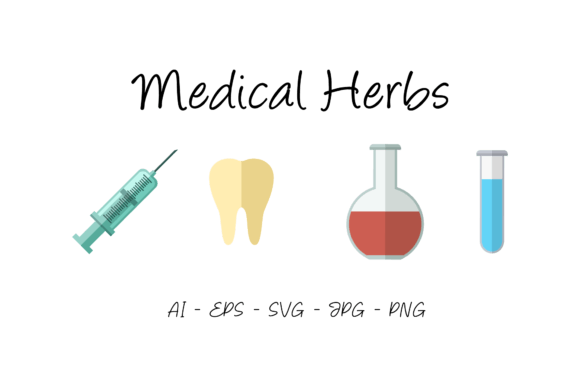
Medical Herbs: Graphics for Freebies and Editorial Use
As a blog designer and digital publisher, I always look for high-quality graphic design assets that can elevate content presentation without compromising on usability. Medical Herbs is a versatile set of digital files that offers a range of formats suitable for real website, editorial, and content publishing use. With five different file types, it’s a solid addition to any creative toolkit.
First Impressions: A Visual Mood for Wellness and Education
Medical Herbs immediately conveys an editorial mood that leans toward wellness, education, and lifestyle-focused content. The design feels clean, modern, and professional, making it ideal for niches like health, herbalism, natural remedies, or holistic living. Its aesthetic balances creativity with clarity, offering a visual identity that supports both informative and engaging content.
The style isn’t overly decorative or playful, but it also doesn’t feel too rigid or corporate. This makes it a good fit for content that needs to appear trustworthy and well-crafted while still being visually appealing. It works well in editorial layouts where the goal is to inform, educate, or inspire.
Real-World Publishing Applications
Medical Herbs is a flexible graphic design asset that can be used across multiple publishing platforms. As a blog graphics tool, it excels as a featured image, Pinterest pin, or article header. Its 1920px x 1280px canvas size ensures it looks sharp on desktop and mobile screens, making it perfect for social media graphics and website banners.
For content marketing efforts, this design can serve as a lead magnet, downloadable printable, or digital guide cover. It also works well as a Canva template, allowing users to customize it quickly for newsletters, email campaigns, or affiliate marketing visuals. The SVG, EPS, and AI formats offer flexibility for editing, ensuring it fits into various design workflows.
When used as a digital product, Medical Herbs supports brand identity by maintaining a consistent visual language across different content types. Whether it’s a blog post, social media preview, or downloadable resource, it helps create a cohesive and professional look that enhances reader trust.
Supporting Content Performance
One of the strongest aspects of Medical Herbs is its ability to improve content performance. A strong first impression is crucial for engagement, and this design delivers a clear visual hierarchy that guides the reader’s eye. Its clean layout and balanced composition make it more clickable, especially when used as a thumbnail or social media preview.
It also supports better brand recognition. When used consistently across a website or content series, it reinforces a visual identity that readers can easily associate with your brand. This is particularly valuable for small business branding or online educators who need to build a recognizable presence.
Additionally, Medical Herbs contributes to a more polished and professional-looking content page. Whether it’s a blog post, eBook, or downloadable worksheet, it adds a level of sophistication that elevates the overall user experience.
Where Medical Herbs Works Best
Medical Herbs shines in situations where visual appeal and readability are key. It’s ideal for hero images, article thumbnails, and Pinterest pins, where the goal is to catch attention and encourage clicks. It also works well as a website header, newsletter banner, or editorial accent that complements written content.
For content upgrades and downloadable resources, it serves as an effective lead magnet that signals value and quality. It’s also useful for category visuals, helping readers navigate through different sections of a website or blog.
Where to Use with Caution
While Medical Herbs is a strong design asset, it may not be the best choice for every scenario. On small mobile thumbnails, the details might get lost, so it’s important to test it at different sizes. In text-heavy blog images, it could become distracting if not properly balanced with typography.
It also works less effectively on low-contrast backgrounds or in busy layouts where the design might compete with other elements. For serious professional niches or corporate websites that require minimal visual systems, this design might feel too stylized or decorative.
Publisher Notes: Testing and Optimization
Before using Medical Herbs in a live project, it’s essential to test it on different screen sizes and devices. Check how it looks as a thumbnail, preview it within a real blog layout, and ensure it works well with headline text. Test contrast and readability, and try it in black and white to see how it holds up without color.
Experiment with different font pairings—serif, sans serif, script, handwritten, and display fonts—to find the best match for your content. Review the file size for web performance and compress images properly to maintain fast loading times.
Finally, confirm the commercial license before using it on monetized websites, affiliate pages, or paid content products. Medical Herbs is a great example of a digital download that can enhance your creative design workflow, especially when used in the right context.
Final Thoughts: A Versatile Graphic Design Asset
Medical Herbs is a valuable addition to any content creator’s toolkit. Its clean, modern design supports a wide range of publishing needs, from blog graphics to social media visuals. Whether you’re working on a digital guide, a lead magnet, or a content upgrade, it provides a professional and cohesive look that enhances the overall user experience.
As a freebie, it offers a lot of value for bloggers, publishers, and digital marketers looking to elevate their visual content without breaking the bank. With its multiple file formats and editorial quality, it’s a practical choice for anyone involved in content marketing, affiliate marketing, or small business branding.