Vintage Bee Happy Wild Flower Graphics and Crafts
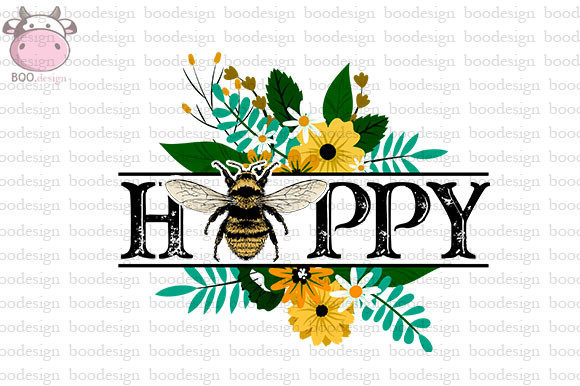
The first impression of Vintage Bee Happy Wild Flower is warm, nostalgic, and inviting. This graphic design asset evokes a sense of simplicity and charm, making it ideal for brands that want to connect with audiences looking for authenticity and a touch of nature. Its soft, hand-drawn aesthetic creates a friendly and approachable mood, perfect for casual branding, handmade products, lifestyle content, and event promotions.
Emotional Tone and Audience Perception
Vintage Bee Happy Wild Flower carries an emotional tone that leans toward comfort and creativity. It feels like a visual breath of fresh air in a world dominated by sleek, modern designs. For small business branding, this asset can help create a sense of trust and familiarity, especially when targeting customers who value craftsmanship and individuality. It’s not the best fit for high-end or ultra-modern brands, but it shines in markets focused on wellness, artisanal goods, and eco-friendly messaging.
This design asset works well in marketing visuals that aim to feel personal and genuine. Whether used in social media graphics, blog headers, or email banners, it adds a layer of warmth that can make content more relatable and engaging.
Practical Use in Branding and Marketing
Vintage Bee Happy Wild Flower is a versatile graphic design asset that can be integrated into multiple aspects of a brand’s identity. In brand identity, it can serve as a subtle accent or a central motif, depending on the campaign’s tone. For logo design, it might be used as a secondary element to add character without overshadowing the main mark.
In packaging design and product labels, this asset can enhance the visual appeal of physical items, especially for small businesses selling crafts, handmade soaps, or organic products. It also works well in digital ads, where its clean lines and natural feel can stand out against more rigid layouts.
When used in editorial design or content marketing, Vintage Bee Happy Wild Flower can add a decorative yet professional touch to articles, infographics, or lead magnets. It pairs well with both serif and sans-serif fonts, offering flexibility in typography choices.
Supporting Marketing Goals
One of the key strengths of Vintage Bee Happy Wild Flower is its ability to strengthen a brand’s first impression. In a crowded digital space, having a unique and memorable visual element can set a brand apart. This design asset helps create a stronger visual hierarchy, ensuring that the message is clear and the design remains cohesive across different platforms.
It also supports better audience trust through consistent branding. When used across social media posts, website headers, and promotional materials, it reinforces a unified look that customers can easily recognize. This consistency is crucial for building brand awareness and loyalty.
For small business branding, this asset offers a cost-effective way to elevate visual content without sacrificing quality. It’s a great addition to a design bundle, especially for those working within a creative marketplace or selling digital products.
Best Uses for Vintage Bee Happy Wild Flower
This graphic design asset excels in hero graphics, campaign headers, and product launch visuals. It can be used as a background for landing pages, a focal point in social media covers, or an accent in branded templates. For Pinterest graphics or Canva templates, it adds a stylish and professional flair that enhances the overall aesthetic.
In content bundles, Vintage Bee Happy Wild Flower can be part of printable designs, email newsletters, or promotional banners. It’s also useful in editorial layouts where a touch of creativity is needed without overwhelming the reader.
As a decorative brand element, it can be incorporated into merchandise, stickers, or event flyers to maintain a cohesive visual language across all touchpoints.
Caution Areas for Use
While Vintage Bee Happy Wild Flower is a strong design asset, it should be used carefully in formal corporate branding or dense information layouts. Its ornate style may clash with minimalist or high-contrast designs, where clarity and simplicity are paramount.
Small mobile graphics may not benefit from this asset, as the details could become lost on smaller screens. Similarly, low-contrast backgrounds or text-heavy ads may cause the design to compete with the main message, reducing readability and effectiveness.
Brands that rely on a very modern or tech-forward image may find this asset too traditional. It’s important to test it against competitor visuals to ensure it aligns with the overall brand strategy.
Brand Designer Notes
Before using Vintage Bee Happy Wild Flower in a campaign, it’s essential to test it with the brand’s color palette. Ensure that the colors complement existing brand elements and don’t create visual clutter. Check how it looks in black and white to assess its versatility in different formats.
Place it inside real campaign mockups to see how it interacts with other design elements. Preview it on mobile screens to confirm that it remains legible and visually appealing at smaller sizes. Compare it against competitor visuals to ensure it stands out without being out of place.
Review how it pairs with different font styles—serif, sans-serif, script, handwritten, or display fonts. Pay attention to spacing and balance to avoid overcomplicating the layout. Confirm commercial licensing before using it in paid campaigns, client work, or business branding to avoid legal issues.
Conclusion: A Valuable Addition to Your Design Toolkit
Vintage Bee Happy Wild Flower is a thoughtful and practical graphic design asset that can enhance a wide range of marketing and branding efforts. Its nostalgic charm and clean lines make it suitable for small business branding, content marketing, and creative projects that require a personal and authentic touch.
Whether used in social media graphics, digital ads, or packaging design, this asset has the potential to improve audience engagement and build a stronger emotional connection. With careful consideration and strategic placement, it can become a valuable part of any brand’s visual identity.